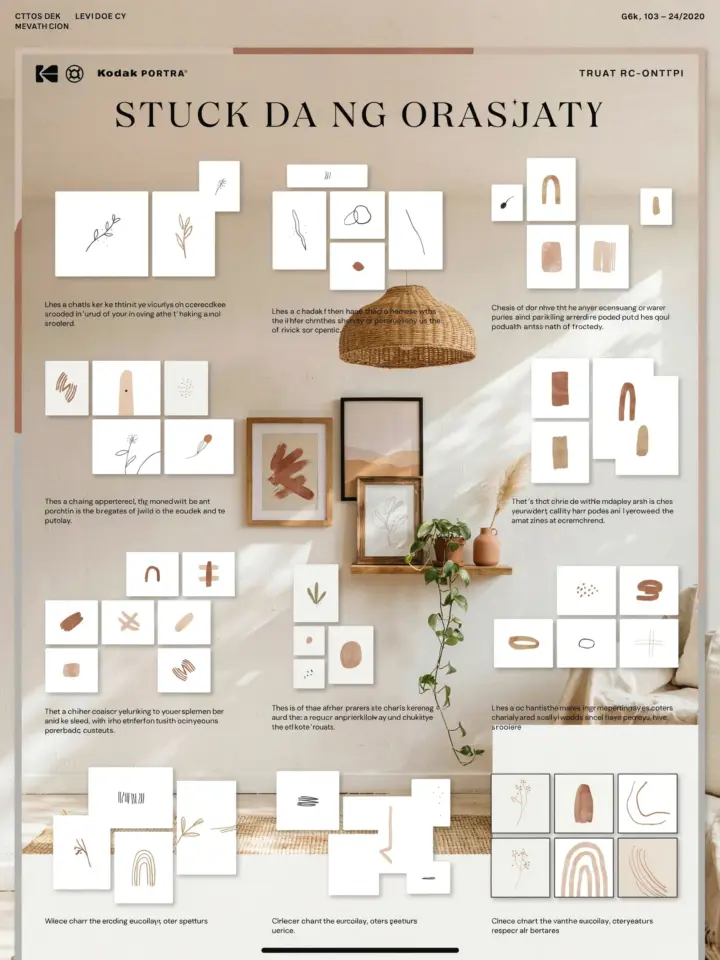
Have you ever stared at a blank wall and wondered what to do with it? Gallerywallideas are one of the easiest ways to turn an empty space into a conversation starter. The concept is simple: you group several pieces of art, photos, or objects together instead of hanging one lonely frame. But if you are new to this, the sheer number of options can feel overwhelming. You might worry about making a mess of nail holes or ending up with a chaotic jumble. I promise, with a little planning, anyone can create a wall that feels intentional and personal. This guide will walk you through the basics, from choosing frames to hanging everything straight, so you can finally fill that blank wall with confidence.
Choosing a Wall and Planning Your Layout
Before you buy a single frame, decide which wall you want to work on. A gallery wall works best on a large empty surface that doesn’t have too many obstacles like light switches or vents. Hallways, living room walls above a sofa, and staircases are classic spots. I recommend starting with a wall that is at least four feet wide so you have room to spread out your pieces.
Next, plan your layout on the floor. Lay out your frames, posters, or wall art decor on the ground in the exact arrangement you want. This gives you a chance to swap pieces and adjust spacing without making holes. Keep two to three inches between each frame for a clean look. Snap a photo of your floor layout so you can refer to it later.
How to Mix Frame Styles and Sizes Like a Pro
One of the biggest secrets to a great gallery wall is variety. You do not want all frames to be the same size or color. That tends to look like a boring grid. Instead, mix different frame styles and sizes to create visual interest. For example, pair a large statement piece with a few smaller ones. Use a mix of wood tones, black, white, and maybe one metallic frame for a pop.
Here are a few simple guidelines for mixing frames:
- Stick to a unifying color palette. Even if frames are different, keep the colors in your artwork or photos similar. This ties everything together.
- Vary the shapes. Round frames or oval mirrors break up all the rectangles. One circular piece can change the whole feel.
- Use matching matting. If you have multiple photos, use the same white or cream mat in each frame. It creates a subtle consistency.
- Add one oversized piece. A large canvas or poster acts as the anchor. Arrange smaller frames around it.
Remember, you can also use objects like small shelves, woven baskets, or even a clock as part of your wall. That counts as wall art decor too. The goal is to make the arrangement feel collected over time, not bought as a set.
Achieving a Balanced Gallery Wall Arrangement
Balance does not mean symmetry. You do not need exact mirrors on each side. A balanced gallery wall arrangement means the visual weight is spread evenly. If you have one large dark frame on the left, balance it with two or three lighter frames on the right. Think of it like a seesaw where the heaviest piece pulls the most attention.
One trick is to create an invisible rectangle or an organic shape like a cloud. Arrange your frames within that shape. Step back and see if any corner feels too heavy or too empty. Shift pieces accordingly. I like to use the paper template method: cut out pieces of paper the exact size of each frame, tape them to the wall, and live with that layout for a day. It is much easier to move paper than to fill extra nail holes.
Adding DIY Wall Art for a Personal Touch
You do not have to spend a lot of money to fill a gallery wall. DIY wall art can be as simple as framing a piece of fabric, a pressed flower, or a page from an old book. One of my favorite budget ideas is to print your own black and white photos at a local drugstore and put them in simple clip frames. They look clean and modern.
If you want something more textured, try painting a small canvas in a color that matches your room. Or create a simple abstract piece using painter’s tape and two or three paint colors. You could also frame a handwritten quote or a map from a trip. The point is to make the wall feel like it belongs to you, not a catalog.
Gallery Wall Ideas for Living Rooms and Hallways
Different rooms call for different approaches. In a living room, your gallery wall often goes above a
#gallerywallideas #wallartdecor #gallerywallarrangement #DIYwallart #homedecorideas
Leave a Comment